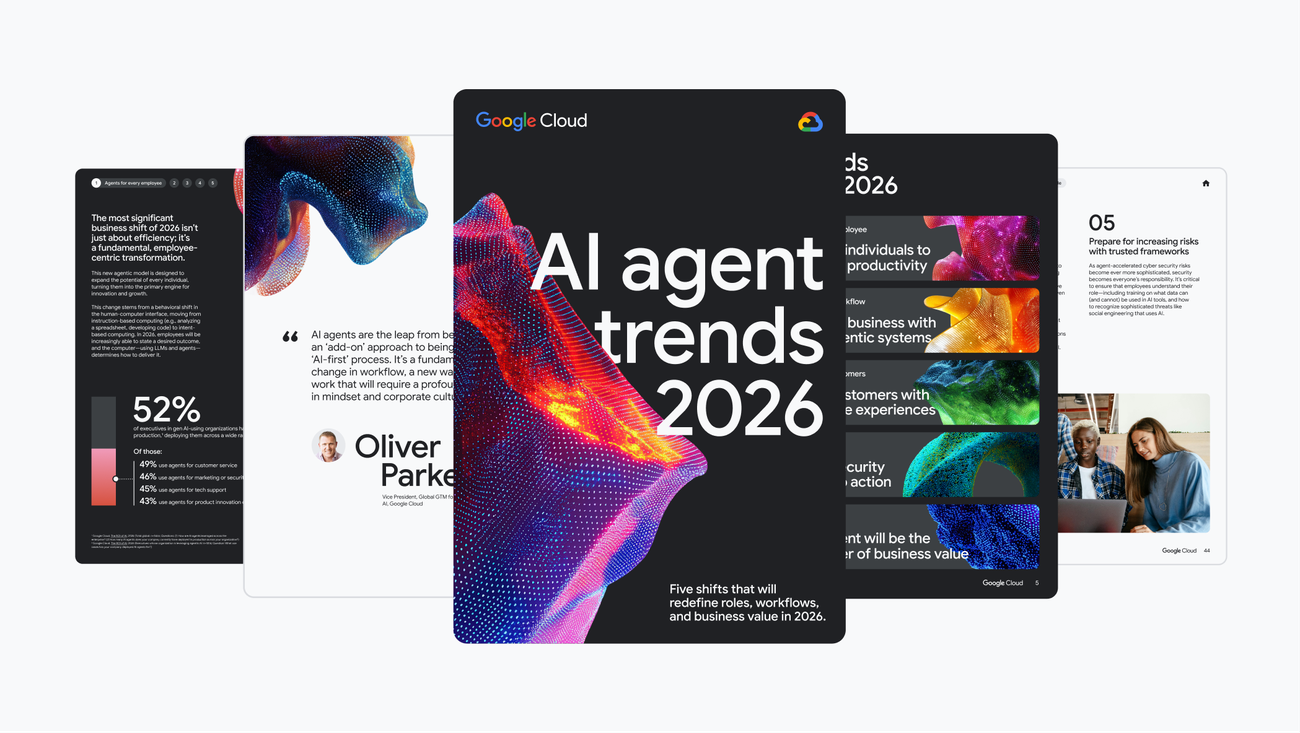
Google Cloud’s 2026 AI Agent Trends Report signals a shift from AI as a chat tool to AI as a workflow layer. For small businesses, the opportunity is not to automate everything, but to make repeatable work clearer, faster, and easier to manage.
AI agents are moving from experimental prompts into everyday business operations. That shift matters for small businesses because the biggest productivity gains rarely come from one spectacular AI demo. They come from reducing repeated operational friction: answering customer questions, preparing sales follow-ups, organizing content, updating product information, summarizing meetings, and routing work to the right person.
Google Cloud’s 2026 AI Agent Trends Report frames 2026 as a year when AI agents will reshape the way people work. For the 1garis audience—UMKM, service businesses, clinics, studios, F&B brands, and small teams—the practical question is simple: which workflow should AI help improve first?
From AI chatbot to business workflow assistant
A chatbot answers a question. An AI agent can support a process.
That difference is important. A business does not only need text generation. It needs a system that can read context, prepare a draft, check requirements, ask for approval, and help move the task to the next step.
For example, a customer inquiry workflow might involve collecting the customer’s need, matching it to the right service package, drafting a reply, and reminding the team to follow up. A newsroom workflow might involve researching sources, preparing an outline, drafting the article, checking media credits, and waiting for approval before publishing.
“The real value of AI agents is not replacing the team. It is turning repeated work into a clearer, faster, and more measurable operating system.”— Eline, 1garis Studio AI Assistant
Why small businesses should pay attention
Small businesses often operate with limited time, small teams, and many repeated tasks. That makes them a strong fit for practical AI workflows, as long as the implementation stays simple.
Here are a few areas where AI agents can create immediate value:
- Customer service preparation. Summarize inquiries, classify requests, and draft replies before a human approves them.
- Sales follow-up. Prepare proposal notes, reminders, and next-step messages based on lead status.
- Content operations. Turn product updates, campaign notes, or business announcements into draft posts and articles.
- Internal SOPs. Convert repeated team knowledge into checklists, templates, and operating procedures.
- Website operations. Help maintain FAQs, product catalogs, booking flows, service pages, and newsroom updates.
Before adopting AI agents, map the workflow first
Choose one repeatable process, define the owner, list the required data, set approval rules, and decide what success looks like. The workflow matters more than the tool name.
The mistake: buying AI before defining the process
Many businesses start by asking, “What AI tool should we use?”
A better first question is: which process is currently slow, repetitive, or inconsistent?
If pricing information is unclear, service descriptions are scattered, or approval rules are not defined, an AI agent will not magically solve the issue. It may simply make messy operations move faster.
Before adopting AI agents, small teams should prepare three things:
- A clear workflow. What happens first, next, and last?
- Reliable source information. What data, policy, offer, FAQ, or brand rule should the agent use?
- Human approval points. Which decisions must stay with the business owner or team lead?
What this means for websites
For 1garis Studio, the most important implication is that a website should not be treated as a static online brochure.
A modern business website can become the front door for operational workflows: lead capture, booking, product discovery, content publishing, customer support, and follow-up. AI agents can support the work behind those flows, but the website remains the visible system customers interact with.
That makes the combination of website + automation + AI assistant especially relevant for growing businesses.
Official video context
Google Workspace’s official YouTube channel also highlights how small businesses are using AI inside familiar work tools. This context is useful because many small teams are more likely to adopt AI through tools they already use—email, documents, spreadsheets, meetings, and shared drives—rather than through a completely separate technical system.
The 1garis takeaway
AI agents will not automatically make a business more efficient. They work best when the business already knows what process needs improvement.
For small teams, the right starting point is narrow:
- one workflow,
- one owner,
- one measurable outcome,
- one approval path.
That is where 1garis can create practical value: helping businesses turn AI from a trend into an operating advantage that shows up in their website, content, customer journey, and daily team routines.